

Welcome to the Metapocalypse
Just when it looked like things couldn't get crappier for Virtual Reality, here comes Godzucky. 🦖 Graaaaaaah!


Welcome back! It’s 2026, the air is crisp and fresh, world feels new and full of possibilities. A brave, unsullied new year awaits us. Don’t worry, though, that’s not reality. Stay calm. Everything’s still going to be crap. Of course it is.
I suspect few reading this mail won’t have already heard all the bad news coming out from Meta since the weekend. It’s been one headline after another. A lot of the stories, of course, are that VR is dead, but VR has been declared dead so many times now that I stopped bothering to phone for the Ambulance and alerting its family years ago, and I now just assume it’s become immortal. It will live forever within its niche, in which it probably sleeps, without legs, sealed away from the daylight in a very expensive coffin paid for as part of Reality Lab’s enormous operating budget over the last 10 years.
But for those of you who may have missed it, Meta has kicked off 2026 in truly disruptive fashion by cleaning shop with a lot of their VR efforts. In total, the firm is cutting 1500 staff from its Reality Labs division, swapping its focus from VR onto AI and MR wearables, cutting funding to internal teams as well as from supporting external developers, while at the same time they’ve announced closure for both Horizons Workrooms and their Business/Enterprise programs.
The shock twist is… (Dun-dun-duuuuun🎵) we all knew it was coming. We just hoped it wouldn’t.
This time last year was like a decade ago on our current batshit accelerated timeline, so in case you don’t remember the big takeaway a year ago was that Meta had started the doomsday clock. CTO Andrew Bosworth addressed staff this time last year; 2025 was to be do-or-die time for Meta’s VR efforts.
“2025: The Year of Greatness
Next year is going to be the most critical year in my 8 years at Reality Labs. We need to drive sales, retention, and engagement across the board but especially in MR. And Horizon Worlds on mobile absolutely has to break out for our long term plans to have a chance. If you don’t feel the weight of history on you then you aren’t paying attention. This year likely determines whether this entire effort will go down as the work of visionaries or a legendary misadventure.”
Andrew Bosworth, Meta CTO
It was a catchy last line that got absorbed into the industry Zeitgeist. I’ve heard it quoted with nervous, uncertain chuckles at every XR meetup, conference, event and talk I’ve attended this year. It’s become known since as the ‘Legendary Misadventure’ announcement across newsletters and forums, but in my head it will always be Bosworth’s ‘Shit or Get Off the Pot’ email.
Well, the mushroom cloud erupting over our industry at this moment seems evidence that Meta’s 10 year crusade to push and grow VR into a sustainable target for their Ads business (captured eyeballs, by whatever method works, account for about 98% of Meta's total revenue - let’s not forget this) has certainly turned out to be a very expensive long-term misadventure for them. And this swathe of changes, cancellations and withdrawals has certainly answered the question of what would happen if VR didn’t make the grade. To continue my poop-themed analogy, if you will allow; $100bn US consumed by Reality Labs since 2014 and a very determined push to gain squatter’s rights over the idea of a public metaverse has resulted in lots of shit all over the spectrum -much of it good - but their many pivots and adjustments have just never yielded the big-win, Godzilla-size shit they were hoping for 🦖💩🌆.
(And now I’ve written that line, I’ve suddenly had so many ideas for this newsletter’s main illustration. Oh well, too late now).
Here are the main aspects of the latest Metapocalypse, then, accompanied with a light jus of my thoughts about them and their impact.
Game Studios Closing
On Jan 12 the New York Times reported that Meta were laying off ‘more than 10%’ of their Reality Labs division (pop: 15,000 — so 1500+ staff affected), and that the cuts were specifically targeting VR and Horizon Worlds. Boz called an all-hands meeting for the next day, describing it as the “most important” of the year.
The next day, UploadVR revealed Twisted Pixel Games, Sanzaru Games and Armature Studios were being completely shut down. These were 3 of Meta’s absolute top-tier development studios, who have worked on some of their highest profile and best selling games over the last decade.
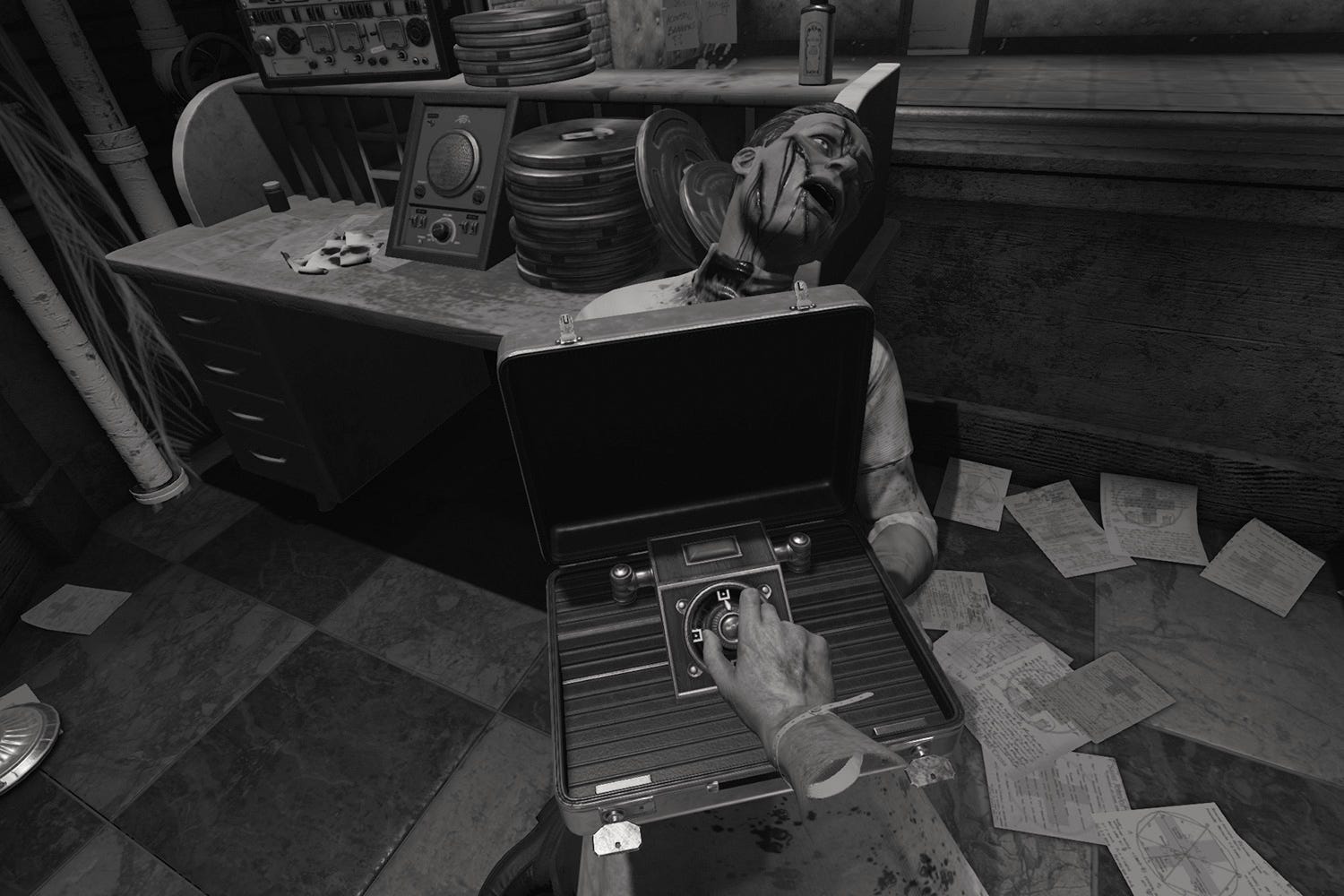
This year was Twisted Pixel’s 20th anniversary. Once independent, they were bought by Microsoft, then went independent again to work on VR for Oculus, where they made Wilson’s Heart, a Hollywood Star-studded, high concept 50’s black and white psychological horror game that was a tentpole release for the Rift back in 2017 (and still holds up surprisingly well today).
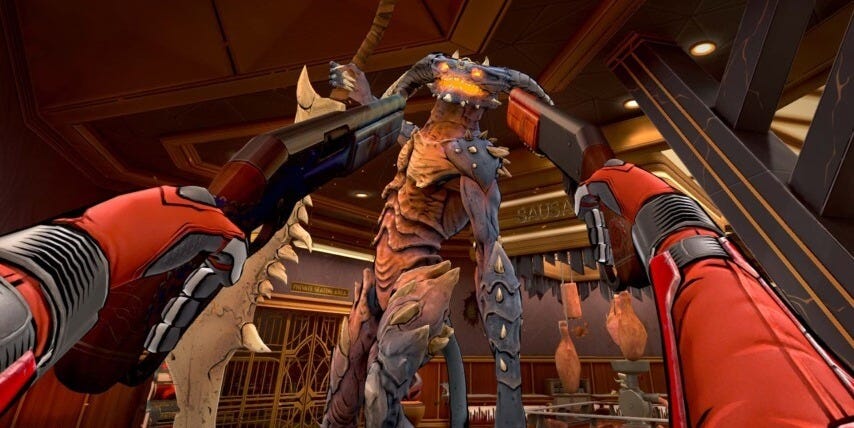
None of their succeeding titles made the same impact, but Meta bought them in 2022 and put them to work on Deadpool VR, Meta’s big blockbuster title for the end of 2025, which gained great reviews and nicely nailed the Deadpool experience most were expecting, but we can assume it didn’t drive enough new headset sales over the holiday period. Large team, high production overheads - while it’s a shocking result for such a high profile team who just released the Holiday season’s ‘Big’ game to wide acclaim, as Meta are pivoting away from funding expensive AAA VR to attract new users their future after Deadpool was always uncertain. Many hoped that Meta might have them working on a premium experience for Quest4’s launch, but the timing didn’t really line up for that if the Quest 4 launch was going to be next year, and realistically Meta will probably have had another team working on such a title for a year or so at this point - probably Sanzaru (below). As we discussed last time, though, the fate of the Quest 4 is very much unknown right now, so it makes the most business sense from Meta’s POV to just shut the team down.
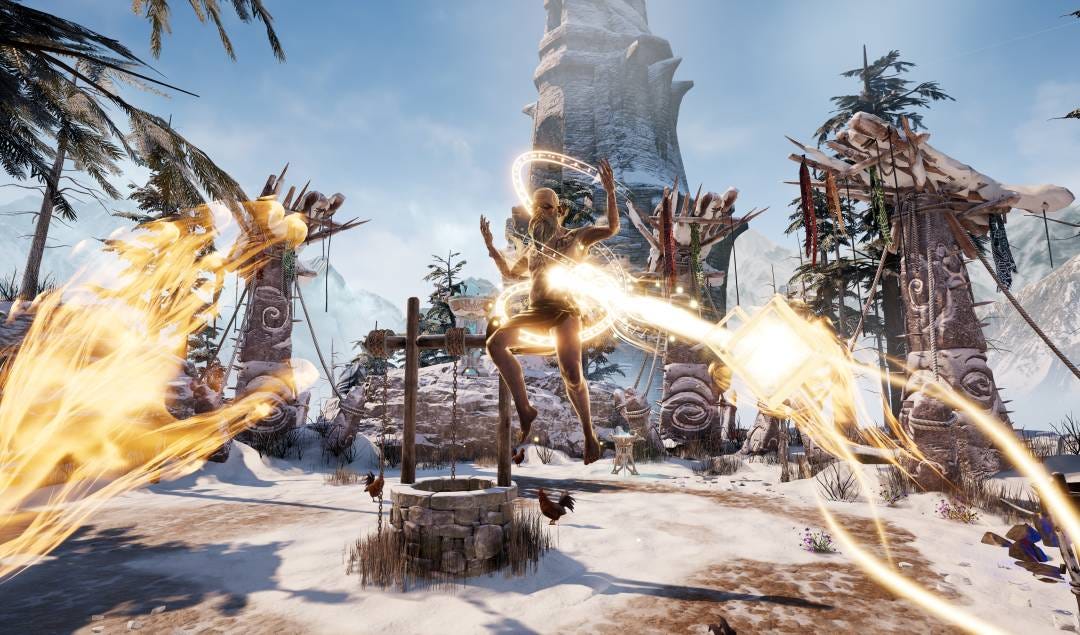
Sanzaru were also due to be celebrating their 20 year anniversary. Between 2016 and 2019 they were prolific, releasing 4 games including the ill-fated Marvel Powers United and the much-loved and lauded console-quality epic Asgard’s Wrath on Rift, before being bought by Meta in 2020 and working on Asgard’s Wrath 2, Meta’s central tentpole launch for the arrival of Quest 3 in 2023.
Both Asgard’s Wrath games are top-tier experiences, clocking in at around 40 and 80 hours respectively on their respective platforms, and sought to give players the type of epic, dazzling action RPG experience that typifies modern blockbuster gaming - that being the very thing that everybody had been saying VR needed to have if it wanted to broaden it’s market share and appeal to the wider gaming market. Both were well received, but the latter title, in particular, divided audiences who realised that epic long form action gaming might not actually be that great a fit for the limited battery and capabilities of standalone. Since then, Sanzaru had been working on their top-secret ‘next big thing’, which most assumed would arrive as a Quest 4 launch title. So, another AAA studio that Meta’s current strategy pivot has no further use for, and another of their main studios we know won’t be helping launch Quest 4, whenever and if ever if arrives.
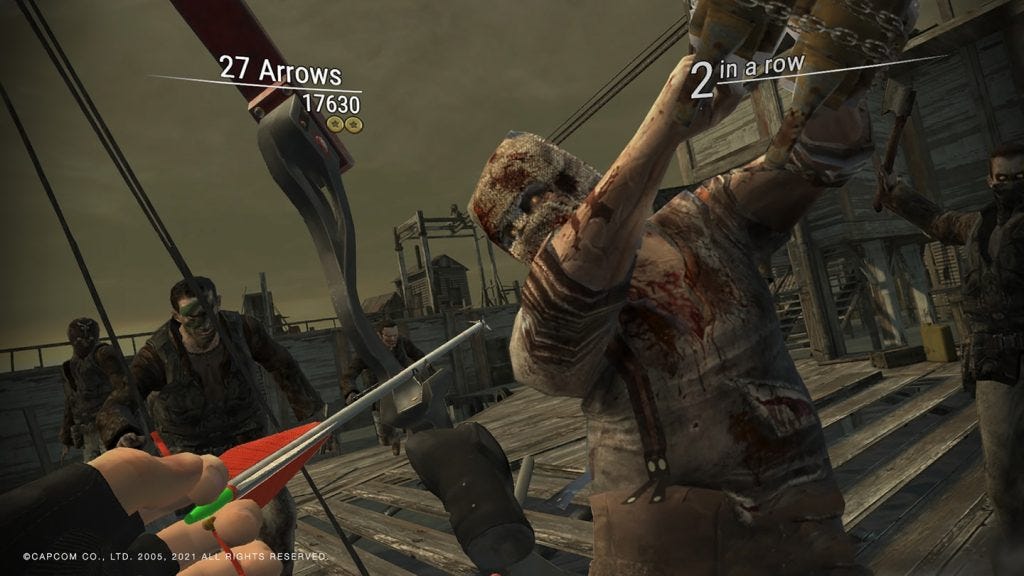
Armature Studio are probably a less well-known name amongst VR gaming fans, but they’ve been around since 2008 and have been working with Facebook / Oculus / Meta since Rift’s launch. I have a soft spot for their multiplayer Wii-sports-alike Sports Scramble and the demo used to come pre-installed on Quest 2 so there’s a chance some of you may have played it. The game they’re known best for, though, is a big one - they were the team who made such an amazing job of porting Resident Evil 4 onto Quest 2 back in 2021. Meta bought them in 2022 and they were rumoured to be working on a Quest 4 launch title… stop me if this is sounding familiar.
So that’s now three studios closed completely. That leaves Meta with four internal game studios still standing - Beat Games (Beat Saber), Camouflaj (Batman Arkham Shadow), Big Box (Population One) and Ouro Interactive, who have been developing games for Horizon Worlds.
But Camouflaj then announced the next day that it’s sequel to Batman Arkham Shadow had also been cancelled, and that significant layoffs would be occurring at the studio. No word on how many redundancies yet, and no insight as to what those who will remain will be doing next.
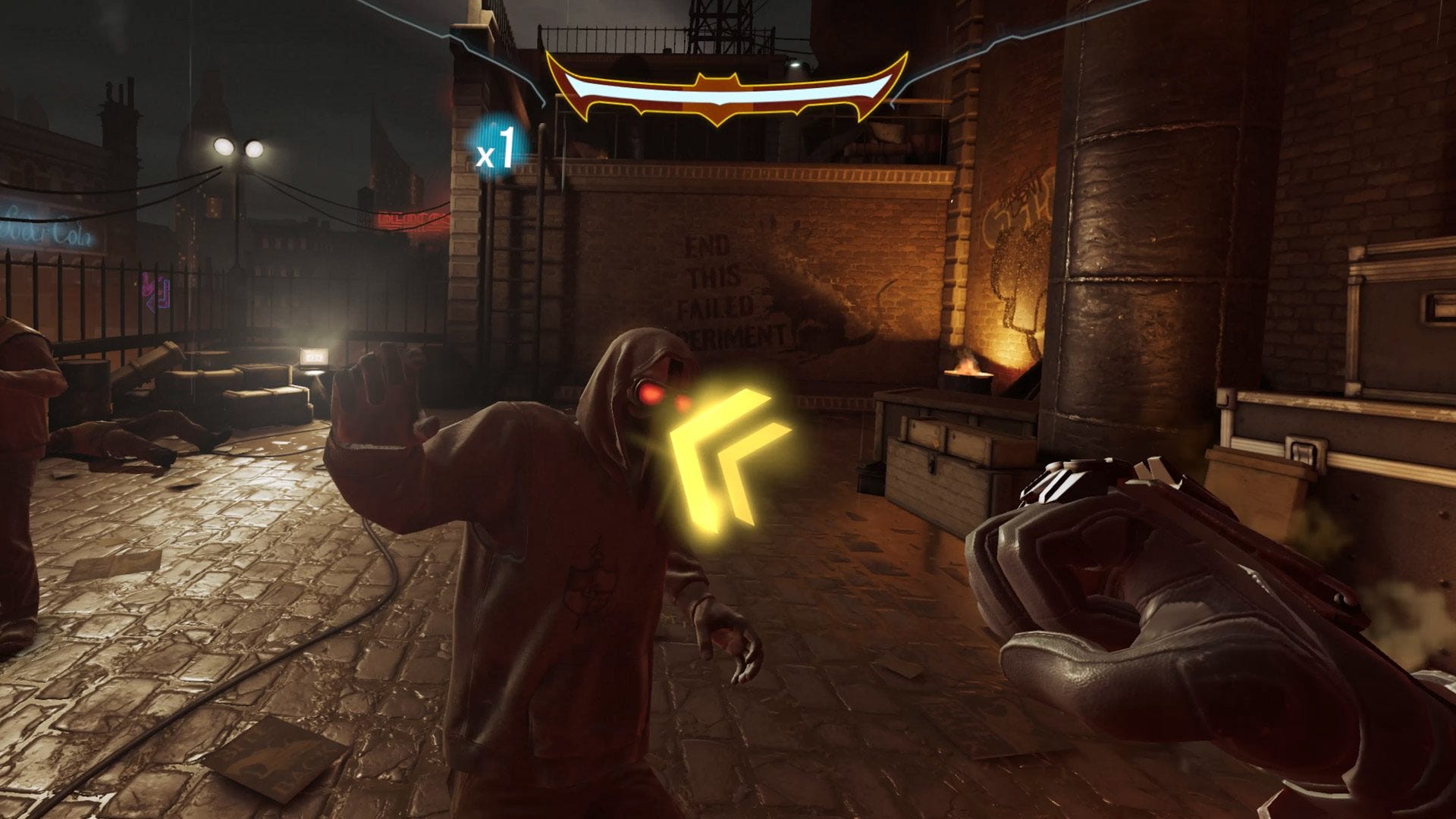
The Batman sequel was to be… you guessed it, the big flagship launch title for the gaming-focused Quest 4 that everybody knew about. Now cancelled. If your spider-sense (detective vision?) is tingling right now, I’m there with you. All of this is certainly raising a lot of questions around the direction of the next Quest, which as recently as last month was still clarified to be focused on immersive gaming, per a leaked memo via Business Insider. Perhaps that’s still the case, but probably based on what we’re seeing, AAA gaming just isn’t where the marketing or development funding is going to be aiming for Quest 4.
But we’re still going. The cuts didn’t end there.
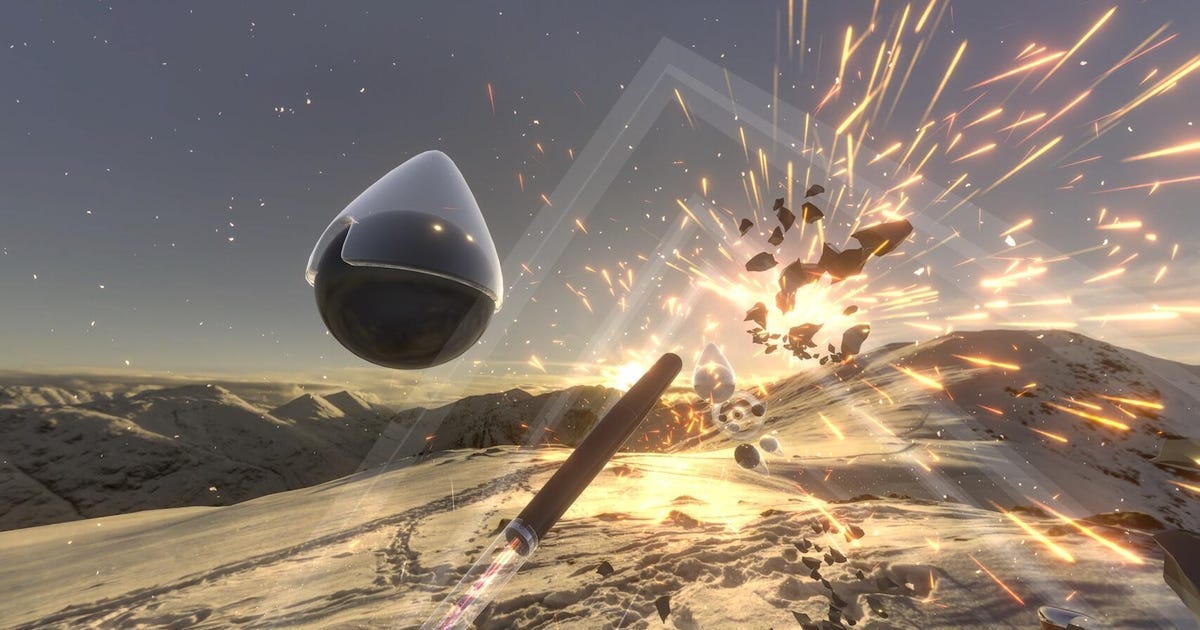
Meta also announced they were ending support for Within’s Supernatural, it’s flagship subscription-driven fitness App, with the company stating the platform would “no longer receive new content or feature updates” yet the service is staying up and available. But Meta have announced there’ll be no drop in subscription price. That’s a messy proposition - the Peleton-style service does have over 3000 lessons already for users to work through, but fitness app and home gym subscriptions are powered by a constant flow of new ‘fresh’ lessons, a changing roster of trainers, and a soundtrack that features popular licensed music, with users having accordingly high expectations. Realistically, Meta are unlikely to renew the licensing contracts as and when they expire, so in the long term it won’t even represent a stable library for subscribers as the content count will decay over time. It will be regarded as a dying platform, which isn’t going to be attractive to new users. Meta are effectively leaving this to die, which is crazy when you consider that last year the title was boasting 100,000 users, has consistently been showcased in earning reports as a top revenue stream, has won multiple awards, and just the fact that they paid $400m to acquire Within after a long and costly battle with the FTC to make the deal. And if nothing else, Supernatural was always Meta’s prestige, high-pedigree App that was most likely to hook in the normie newbies, and that had grown a huge and passionate fanbase which helped the service become a top earner on the VR side. I don’t imagine it’ll still be looking in a fit and healthy shape by the time Quest 4 eventually comes around.
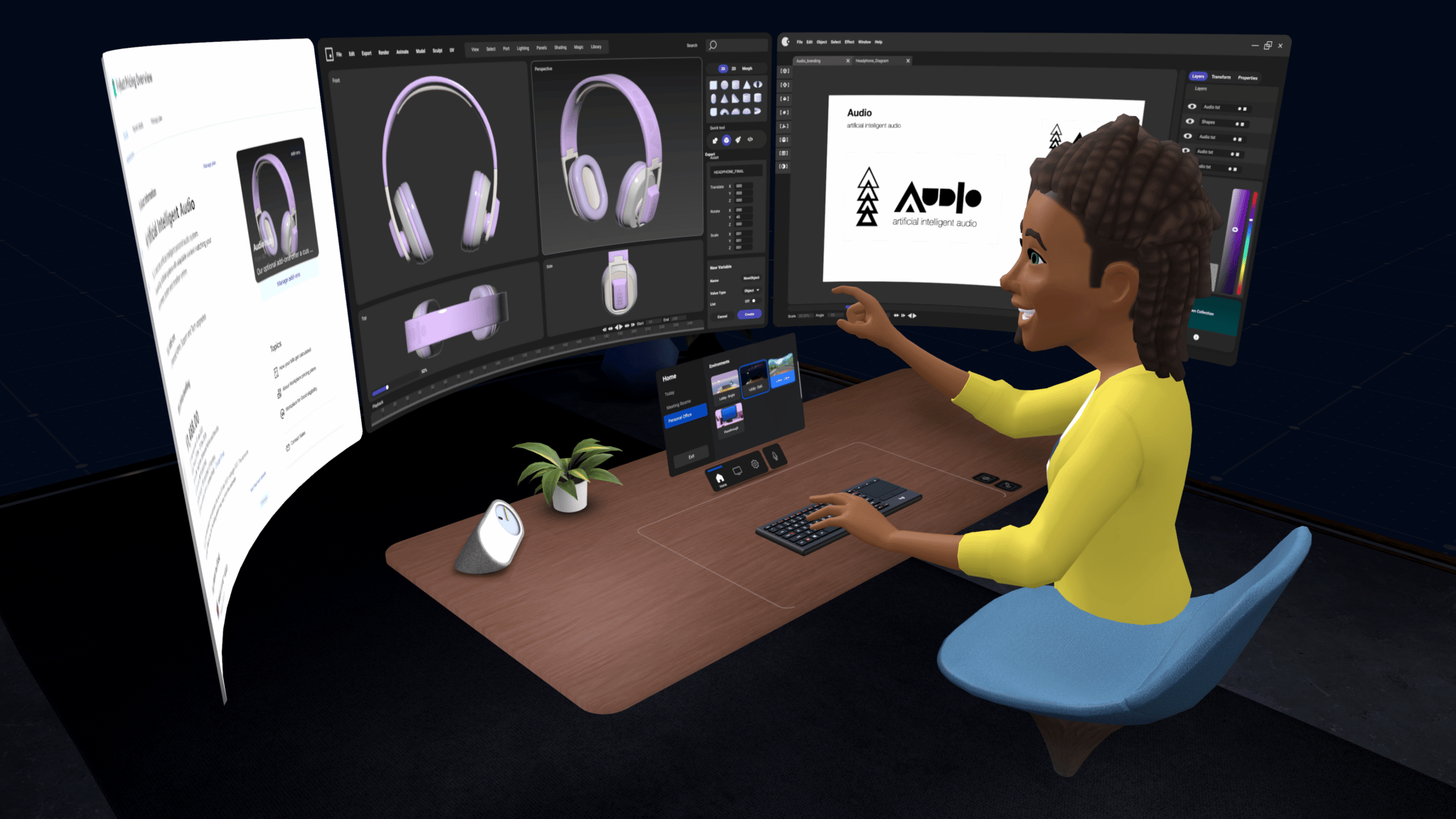
Horizon Workrooms, Meta’s collaborative productivity app that’s been going since 2021 and lets you hold avatar meetings and access and share your PC within a virtual meeting room, is also for the chop. Users have been given a month’s notice, the software will shut down February 16 2026. Workrooms has had a rocky history, with features like the whiteboard, customizable rooms, text chat, file sharing and keyboard tracking all being removed during 2024’s overhaul of the service, with Meta refocusing on offering a private virtual office with multiple monitors. Shortly after, they partnered with Microsoft to launch an official Win11 remote desktop app which superseded the personal office completely. There are plenty of ways to facilitate both of these features through other apps or approaches, of course, and honestly I would only expect a lot of privacy concerns from business clients were I to suggest holding a virtual meeting inside Meta’s app (unsurprisingly, nobody trusts Meta with privacy), so perhaps this is a sector where Meta recognizes it can never emerge as the winner. It’s perhaps the least populated of the places Godzucky has stomped on in this rampage so the human cost might be low, but I’m sure there will still be a few businesses out there who rely on Workrooms features and will be affected by this.
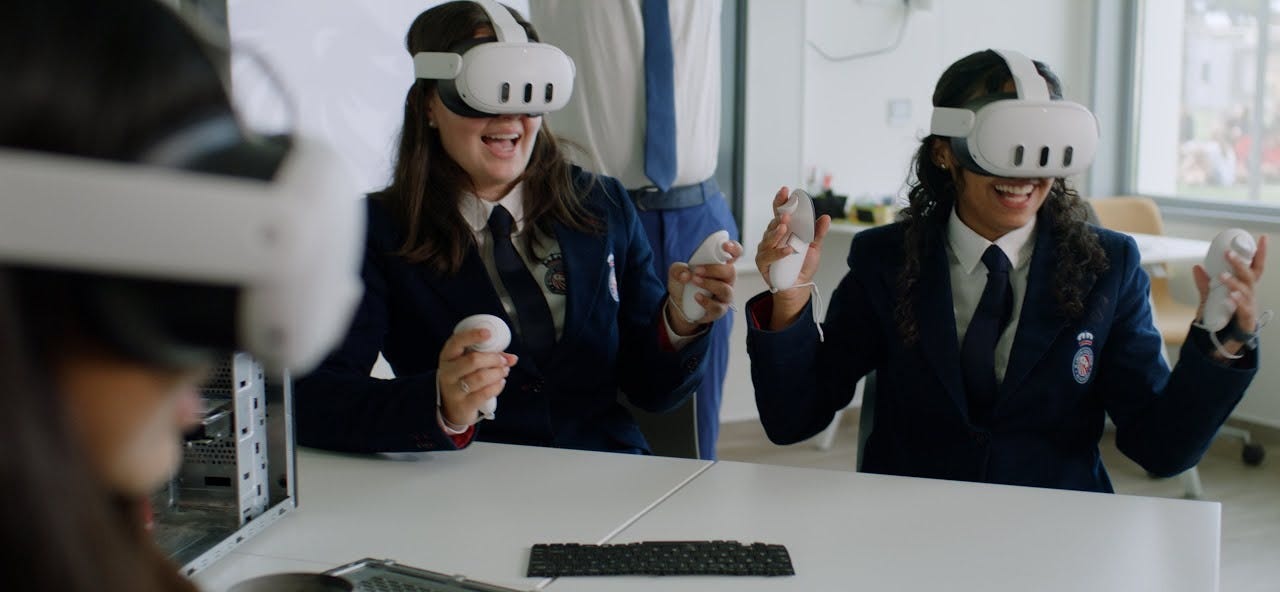
Meta also announced Meta Horizon Managed Services closing in 2030. This is their business program that provides device management and support for enterprise businesses who want to use Meta’s VR headsets. They will end sales of commercial SKUs from Feb 20, and reducing existing subs registered before this date to $0/month. That may sound like 3 years of free multi device authentication and management services, but without support moving forward it’s little comfort to existing customers, and an absolute red flag for anyone looking to use the service from this point onwards. I’ve seen quite a few forum posts and Reddit threads over the past week from users who have horror stories that they’ve just signed a 200 headset contract with them in the last few months or something similar.
This is the third time they’ve trodden on their enterprise users like this. Originally Oculus for Business launched in 2017 and was a scheme for Oculus Rift, Go and eventually Quest. The Go’s were bricked by Meta ahead of switching to Meta Quest for Business in 2023. A similar story played out there, with swathes of mandatory $700 enterprise devices turned into $300 consumer devices overnight when the service abruptly ended. While Meta’s mark-up on the headsets for Enterprise use is a typical price, all three iterations of the service itself have been poorly received, with draconian registration, purchase and usage requirements, and very little of the necessary functionality you’d expect of a consumer device being deployed under a business license, offering very little customization and tailoring of the device to present a managed and staged VR experience.
To all intents and purposes these were still very close to retail units, and it was impossible to lock them down and configure them for general enterprise needs like disabling the home button, or being able to have the host control the fleet of headsets simultaneously. Since a lot of these are deployed for schools and training purposes, these are basic essentials just to be able to keep everyone on the same page, keep the host aware of everybody’s status, and avoid users accidentally leaving the app or otherwise getting themselves into a pickle. They’ve never offered anything close to the utility of device management programs offered by HTC or Pico headsets in the same space, that’s for sure.
But even with that in mind, there are still a lot of businesses and schools who have ended up using Meta’s program, and are going to be blindsided by this change of direction, waking up on the prairie to find their paid guide has crept off in the middle of the night and taken the horses, but left a note saying “We decided on a change of plan. Don’t worry, you don’t have to pay us for the rest of the journey. Hope to see you in Oregon!”
Palmer Luckey chimes in
On Jan 19, a surprise guest star arrived to defend Meta’s actions. Original Oculus inventor and now full-time Anduril Bond Villain, Palmer Freeman Luckey posted his reasoning on Xwitter. I’ll let you form your own opinions, and then I’ll tell you my thoughts after.
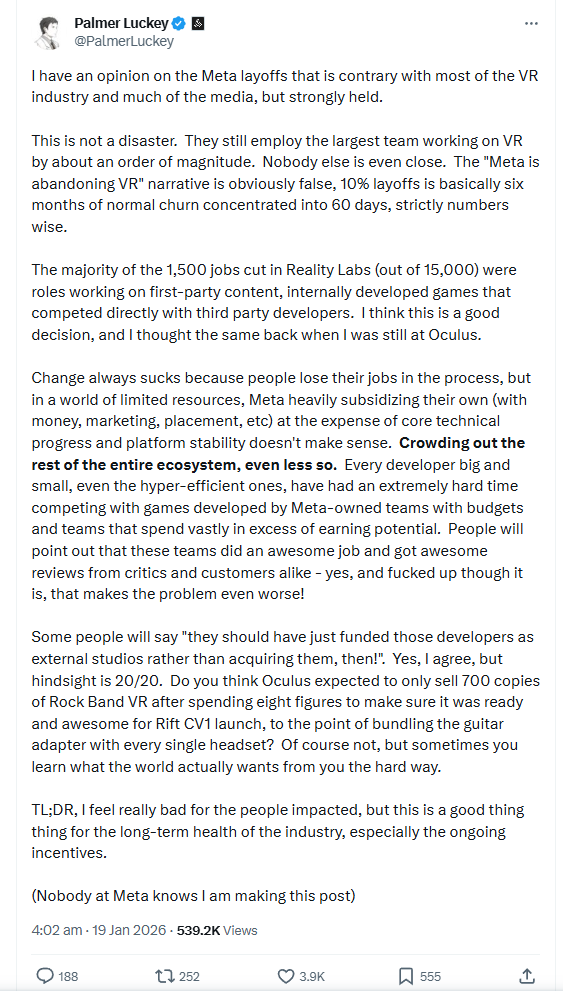
Hmmmm.
For now, at least, that’s the extent of the closures that we know of. So what to make of it all?
Well, it is of course an absolute disaster right now for the people directly and immediately affected. The developers at the closed studios, all of the people working at Reality Labs in peripheral roles who must have been affected, the developers midway through building a game whose business plans are depending on Meta’s support, and heck even the fleet managers who need to start looking for a new MDM solution to manage their headset deployments. And maybe there are customers still using / trapped somewhere in Horizon Workrooms, who knows? A lot more than 1500 lives will be impacted as Godzucky turns to stomp off and try on some smart glasses instead.
It feels grim for VR developers and VR fans who have bought deeply into the Meta ecosystem and now realise the platform and it’s support is likely to quickly deteriorate in various ways, and that, in first party AAA terms, there’s nothing on the horizon. I can see from Meta’s perspective that there’s already a huge library of content available, but as a PSVR2 user I also know the many grim feelings that come from platform abandonment. And you can double that regret if you’ve just picked up a Quest 3 over the holidays for yourself or someone else. Those people are probably wondering if they’ve just bought an expensive hi-tech lemon, and I couldn’t say for sure that they haven’t made an unfortunate choice.
Meta don’t have a great reputation with users. There are many potential VR buyers out there who are simply put off by Meta dominating the most affordable end of the market, and they aren’t particularly interested in VR because they aren’t interested in anything Meta, especially not giving them their money or their data. Many others might harbour ethical worries about choosing Meta’s headset, but the comparatively cheap purchase price and Meta’s endless investment in the ecosystem has won them over. But with prices likely to steeply rise soon and the public takeaway from this Metapocalypse being that “Meta have killed theirVR off”, many more will be dissuaded.
Quest3 and 3s could pick up a stank of abandonment that will alarm anyone researching online before they purchase. As hardware prices rise, picking the right platform to hitch your loyalties and library to will become ever more important for more consumers. For some it simply won’t matter, and plenty of others simply won’t be aware. But for long time gamers and savvy new users figuring out which platform they want to be on to join the VR party, the abruptness of this direction change could represent a significant stain on the platform. Customer trust is the hardest thing to win, and the easiest thing to lose.
The signs suggest that Meta aren’t going to be heralding Quest 4’s arrival with a Triple-A gaming fanfare. It wouldn’t surprise anyone if Quest 4 is significantly more expensive, significantly more capable, and significantly closer to Apple’s approach and focusing on similar ‘grown up’ use cases. Apple set a high bar for user experience and functional compatibility across apps with Vision Pro, and even though Meta don’t have the same kind of integrated app ecosytem to tie together in the same way, AVP’s eye-watering price will be easy to undercut, as we’re seeing with other Apple clones like Play for Dream and Vivo’s Vision.
This would make sense - if Meta puts out a $1000-$1500 headset that can do everything AVP does but also has the support of the existing (and enormous) Quest library from day one, all the Apps and all the Games and all the animation and Stereo 3D video content… that would be an unbeatable content proposition for Apple or any other manufacturer to measure up to. As messed up as the Quest store is right now, Meta does sit atop a portfolio of VR games and apps that is inarguably bigger and broader than anyone else’s by a factor of multiples. Sure, an awful lot of that library is slop, but a lot of it isn’t, and Meta could use the next couple of years to sort the wheat from the chaff and make sure the Q4 launches with the world’s biggest day1 library, offering better, smoother and faster running versions of games and apps that Q3 owners already have in their library.
We can assume backward compatibility with existing software, and that old games will be more performant and look better on the new device anyway, so that’s already a free refresh for any game. Meta have already been through this with previous generational jumps, and these days it’s pretty straightforward in most cases for developers to take advantage of the improved resolution, juice some value from the increased power, and accommodate a few of the new hardware features.
Here’s something I can imagine as a quite plausible scenario. (It’s not a prediction, I don’t do those, but if it turns out to come true I will most definitely be mentioning that I called it at every opportunity).
There might not be a new Batman VR alongside Quest 4’s launch, but maybe the remaining team at Camouflaj might spend the next 18 months making the existing game bigger and better and ready to take advantage of whatever new features Meta decide to put into the new HMD. Expanded, with extra shtuff. Eyetracking to steer Batarangs and to investigate in detective mode. A new location or two. An expansion of the existing story. You know the drill by now.
And this approach isn’t unprecedented - Nintendo launched and held out through the first few years of the Switch by leaning very heavily into remastered Wii U games — few people had played them anyway, and they obviously wanted to try and recoup their original development costs from them. Isn’t that the same situation Meta’s is in with it’s expensive AAA loss leaders, too? Remasters have become big business for traditional videogame publishers, and Meta can’t possibly have missed the success that many of these have found. Nintendo have even demonstrated with their expensive-but-lacklustre Switch 2 update for Mario Galaxy that you can make zero changes and plenty of people will still pay a premium price for an old game if it’s exclusive to the platform and that’s the only way to play it.
Meta have a lot of prestige funded titles they can draw on and re-present this way - not to mention a back catalogue of Meta and Oculus Studio classics like Lone Echo, Asgard’s Wrath, Stormlands, Rock Band VR and many others in their vaults, just waiting for standalone performance to catch up with where PCVR was at a decade ago. I think Palmer Luckey is right in as much as AAA doesn’t make sense for Meta moving forward, but I think it did make sense in the past, and they have a war chest of high quality exclusive content they can now take advantage of as a result of all that earlier spending.
I believe with Workrooms and their device management solution, they just see they can’t measure up without spending a lot more time and money, and they know there’s easier ways to win those markets if and when they need to. They’ve been competing against apps on their own store for the services Workrooms offers - and the competition are doing it more successfully. A classic Meta move would be to partner with, buy, absorb and then replace an existing social meeting service in their usual bodysnatching manner.
Meta no doubt expect steadily increasing pushback to their custodianship of MR, VR and Smart Glasses as things move forward. Their public perception continues to remain in the mud for a large number of people, and will only get worse as their data and advertising practices become more invasive and permeate more fully into their immersive products - it’s only a matter of time. And we have to remember that they’re never going to be able to compete with Apple on brand loyalty or software quality (despite recently poaching some of their top UI guys to fix it) , so they have to compete on other fronts. Undercutting on price, offering a bigger and broader library of native VR content, and bringing their existing install base on board are all powerful tools for that. The things they’ve got rid of with this Metapocalypse are all essential, but they’re not essential for them to be spending money on right now.
In the shorter term, I think Meta knows that they could walk away from VR completely right now and they’d still be the only viable choice for a headset in the price range. It makes Quest even less attractive for VR devs than it has been (and that’s saying something, it’s been a very rough 18 months for most VR developers on Meta already) but there isn’t really much of a better choice.
Many of the VR faithful are hoping Steam Frame will save the day and offer a viable alternative outside Meta’s universe, but I suspect we’ll be seeing it cost double the current price of the Quest 3, or more. People will switch anyway, and developers should be considering this, but its worth remembering that PCVR players / Steam users take a dim view of ports from Meta-first titles, so devs may need to glow up and expand their Quest titles if they’re bringing them over to PC. Pico is a good headset and usually a fairly straightforward porting target, but is niche already and is unlikely to gain any significant ground in the US market due to ByteDance being Chinese. PSVR2 is great but it’s already got that stank of being discarded - and without PlayStation pushing it again it’s unlikely to see swelling user numbers or high production runs.
All of which leaves us in a very confused and concerning place. VR will survive - it is immortal after all - but the VR market for Apps and Games isn’t going to get any better any time soon, and may get significantly worse over the next few years. In a lot of ways, that VR market but with less Meta is what many of us wanted and wished for, and I still think it should be a very healthy thing for users, players, developers and the market in general - but only when looked at through the long term lens. As we’ve talked about many times in this newsletter, through all that spending on VR over such a long decade, Meta have made themselves a central and essential pillar supporting much of the industry, whether we like it or not. They’re titanic and monstrous, sure, but a lot of good and decent developers, businesses and users have built their homes and businesses in the shadow of Meta’s support.
But by putting their foot down hard on their previous spending excesses and stomping away from VR in pursuance of Smartglasses and AI like this, Meta risk toppling that pillar, crushing those who are reliant on it’s steadfast support, shit-showering rubble and destruction on a significant part of the VR industry in the process. His attention has been diverted elsewhere, and it’s time for Godzucky to move on, and that’s possibly good news - but in the meantime, don’t expect him to worry too much about the little people, down in all the poop, that he’s squashing along the way.
Graaaaaaah 🦖
Until Next time,

Jed
Jed Ashforth has been working in the games industry since 2002, and working with VR, MR and AR apps since 2010. He was part of the team that created PSVR at PlayStation, and has worked on around 150 XR projects. He sometimes likes to pretend he’s a Kaiju when flattening cardboard boxes wearing his Monster Slippers, but tries to avoid flattening real cities whenever possible. He helps developers elevate their immersive and interactive experiences. If you’re interested to find out more you can prod the button below, or you can reach him and check out more of his work and articles, at www.realisedrealities.com.